Top Urban Fashion Sites Influencing Skate Culture


Intro
Skate culture has transcended its humble beginnings to become a global phenomenon. It’s not just about moving on a board but is deeply intertwined with fashion, art, and community. It reflects a unique lifestyle that speaks volumes about personal expression and rebellion against the mainstream. To truly embrace this culture, one must have not only the passion for skateboarding but also an eye for urban fashion. The best urban fashion websites serve as portals to this vibrant world, helping enthusiasts discover the latest trends while staying connected to fellow skaters.
In this article, we will explore various online platforms that have made a mark in skate culture, presenting a diverse array of brands, styles, and products that are essential to both skaters and fans alike. This exploration will provide insights into how fashion impacts the skateboarding community, highlighting significant websites that resonate with the spirit of urban style. From reviewing essential gear to capturing community stories, our journey through these platforms will be thorough and enlightening.
Skateboarding Tips
Skateboarding is an art that comes with its own set of skills and challenges. While there's much to learn, mastering the basics is essential. Below, we’ll break down some key aspects that can help every skater improve their performance and safety.
Mastering Tricks: Step-by-Step Guides
Learning tricks can be the highlight of skateboarding. Every skater wants to elevate their game, but it takes practice. Here are a few essential tricks explained simply:
- Ollie: The cornerstone of many tricks. To perform an ollie, bend your knees, swiftly slide your back foot up toward the tail, and jump while dragging the nose of your board up. This helps lift your board off the ground.
- Kickflip: Starting with an ollie, once you’re in the air, use your front foot to flick the edge of the board. This causes it to spin horizontally below you before landing.
- Grind: This involves sliding along an edge or rail. Position your trucks over the edge, lean forward slightly, and ride along until you’re ready to jump off.
Safety Gear Essentials for Every Skater
Skating can be fun, but it often comes with its risks. Wearing appropriate safety gear can make a difference in preventing injuries:
- Helmet: Always non-negotiable. It protects your head in case of a fall.
- Wrist Guards: Help to protect your wrists during tumbles.
- Knee and Elbow Pads: These should be mandatory for both beginners and seasoned skaters.
Without safety gear, even the simplest falls can have serious repercussions. Prioritize your protection, especially when trying out new tricks.
Community Stories
Often, it's the stories from skaters around the world that enrich the culture and connect the community. Sharing experiences and learning from each other can strengthen bonds in the skateboarding world.
Featured Skater of the Month Profiles
Every month brings new inspiration with profiles of standout skaters. Their stories, challenges, and triumphs often resonate with many in the community. Maria Thompson, for instance, is known for her creativity on the board. Her journey from a local park in Portland to global competitions highlights the importance of persistence and passion. Another skater, Jalen Sharp, brings attention to his community by launching skate clinics for at-risk youth, encouraging self-expression through skateboarding.
Local Skate Parks: Reviews and Recommendations
A local skate park can become a second home for skaters. Check out some recommendations:
- The Berrics in Los Angeles: Revered for its amenities, hosting competitions, and events that pull in top-tier talent.
- Pier 7 in San Francisco: Known for its iconic spot and rich history within the skateboarding community.
- Skatepark of Tampa: Offers a well-rounded experience with great facilities and an inclusive atmosphere.
These parks not only provide a place to skate but also foster community and friendships that last a lifetime. Skaters flock to these locales to showcase their skills and share experiences with fellow enthusiasts.
Understanding Urban Fashion
Urban fashion has become an emblematic representation of contemporary style, uniquely tied to social movements, personal expression, and, crucially, skate culture. The significance of peeling back the layers of urban fashion lies not just in its aesthetic appeal, but also in its cultural implications. This article serves to illuminate the critical threads that weave this vibrant tapestry, especially for those passionate about skating and its numerous subcultures. Understanding urban fashion provides essential insights into the ways in which clothing becomes a form of identity and community belonging.
Defining Urban Fashion
At its core, urban fashion embraces a diverse blend of influences that stem from city life. Think of it as a patchwork quilt, stitched together from various elements such as street art, music, and, of course, skateboarding aesthetics. Urban fashion is not just a trend but rather a dynamic movement that evolves with society. It often includes oversized tees, distressed denim, and sneakers that appear more functional than formal.
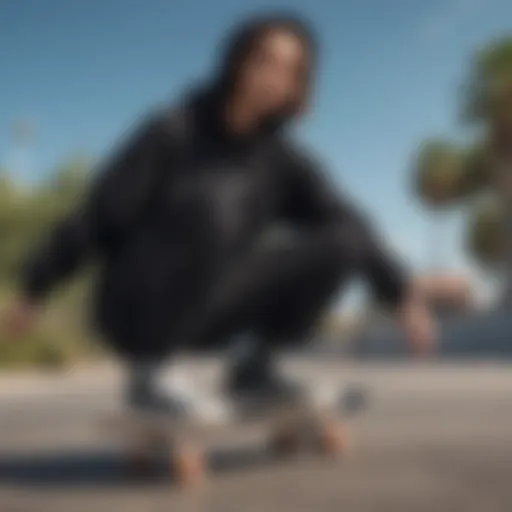
The style is characterized by its rebellious nature, often borrowing from underground cultures. For instance, a simple hoodie can make a bold statement about individuality when paired with the right accessories or shoes. This accessibility of urban fashion allows everyone—from a seasoned skater to a curious bystander—to express themselves through their clothing. It invites creativity and encourages all to reflect their personal styles.
The Evolution of Urban Fashion
Urban fashion hasn’t always been the dominant force it is today. Its roots can be traced back to the streets of major metropolitan cities, particularly in the late 20th century. It started as a reaction to mainstream fashion and has significantly morphed since then. Early symbols of urban fashion, derived from hip-hop culture and graffiti art, have paved the way for today's skateboard-inspired looks.
During the 1980s and 1990s, the rise of skateboarding culminated in both cultural and commercial realms, leading to a new genre of fashion that spoke to a generation disillusioned by societal norms. Brands like Supreme and Thrasher began to emerge, blending the gritty street aesthetic with skateboard culture. This evolution showcases not only the style but also the philosophy of urban fashion. It represents resilience, creativity, and the desire to challenge and redefine norms.
Key Characteristics of Urban Fashion
Urban fashion thrives on distinct characteristics that set it apart from conventional styles. Understanding these traits is essential for anyone looking to navigate through this fascinating world:
- Diversity in Styles: Urban fashion includes multiple influences, from punk and hip hop to minimalist aesthetics, creating a melting pot of styles, which appeals to a broad audience.
- Functionality: Comfort tends to take precedence over intricate designs. Practicality is key, especially for skaters who require clothing that can withstand movement and activity.
- Expressive Graphics: Graphics and logos often play a significant role in urban fashion. These elements not only showcase brands but also serve as personal statements that convey attitudes and ideologies.
- Sustainable Choices: Increasingly, urban fashion is embracing sustainable practices. Many brands focus on ethical production methods and eco-friendly materials, reflecting a growing awareness of environmental issues among consumers.
"The essence of urban fashion lies not just in aesthetic choices, but in the stories these styles tell about the people who wear them."
Overall, an understanding of urban fashion is indispensable for anyone invested in the skate culture scene or urban exploration. It serves not only to articulate personal identity but also to establish connections within a broader community. This exploration sets the stage for our deeper dive into the intricate connection between skate culture and urban fashion in the subsequent sections.
The Connection Between Skate Culture and Urban Fashion
The intertwining of skate culture and urban fashion is a dialogue steeped in history and expression. This relationship not only signifies a style but also represents a lifestyle, values, and identity within communities. Urban fashion serves as a canvas where skaters express their uniqueness, individuality, and allegiance to the subculture. From the outfits donned during a casual skate session to the meticulously chosen gear for competitions, every aspect is laden with cultural significance that extends beyond mere aesthetics.
Historical Context of Skateboarding and Fashion
Skateboarding burgeoned as a rebellious sport in the 1970s, emerging largely from California's surf scene. In the beginning, it was a straightforward pursuit; however, as the sport matured, so did its style. Skaters began to reinterpret the urban landscape through the lens of fashion, pulling influences from punk rock, hip-hop, and street art. This kaleidoscope of inspirations gave rise to a distinct aesthetic. For instance, brands like Vans and Thrasher found their roots in this vibrant scene, blending functionality with the ruggedness required for skating.
Fashion trends in skateboarding were also responses to the surroundings—the gritty urban settings where skaters practiced their craft. Utilitarian features guided the designs of skate shoes and apparel; these items were meant to protect the bodies of skaters while offering them freedom of movement. In a way, the evolution of skate culture is entwined with changes in urban fashion, where each skate trend echoes societal shifts and urban developments.
Influential Figures in Skate Fashion
Throughout the years, several key figures have shaped the contours of skate fashion. Tony Hawk, for instance, didn’t just dominate skate parks; he also influenced merchandise and casual wear bearing his name. His incorporation of skateboarding into mainstream culture further amplified the visibility of related fashion.
Another pivotal player is Natas Kaupas, who is often celebrated for his signature street style that ultimately merged with skate fashion. Skaters like him shifted the perception of what it meant to represent a culture through clothing. Today, the likes of Rihanna and Travis Scott, who frequently incorporate skate aesthetics into their work, show how far-reaching the appeal of skate-inspired fashion has become across various music genres and pop culture realms.
Transitioning Styles in the Skate Community
As skate culture continues to evolve, so do its styles. The adidas Skateboarding line, for example, illustrates a commitment to blending classic lines with contemporary trends. This trend represents a shift from purely functional wear to incorporating artistic elements that resonate with a broader fashion narrative.
Furthermore, social media has accelerated the speed at which styles transition. Platforms like Instagram and TikTok have made it possible for new trends to emerge from anywhere around the globe, allowing a skater in Tokyo to influence a skater in New York overnight. This globalized exchange fosters a collective consciousness around skate fashion and encourages experimentation.
"Skateboarding is not just an act; it’s a lifestyle reflected in what you wear and how you present yourself."
Top Urban Fashion Websites
The realm of urban fashion transcends mere clothing; it’s a canvas illustrating the identity and culture of its wearers, particularly within the skate community. Thus, examining top urban fashion websites unearths more than shopping options; it reveals platforms where creativity, style, and culture converge. Websites serve not just as retailers but compile a community bound by shared experiences and aesthetics. By delving into these platforms, readers not only grasp trends but also understand the subtle dialogues that exist within urban fashion and skate culture itself.
Overview of Influential Platforms
Several platforms stand out for their significant role in shaping urban fashion as it relates to skateboarding. Noteworthy sites such as Supreme, Stüssy, and The Hundreds resonate deeply with skaters. Each of these brands offers a unique perspective influenced by the roots of skate culture. Supreme, for example, is often hailed for its limited releases and collaborative efforts, creating a fervent hype around its collections.
When evaluating influential platforms, consider the following:
- Community Engagement: These sites don't just sell; they promote art, music, and events fostering a lifestyle together with urban fashion.
- Curation of Styles: Each platform has a distinct voice, reflecting the diverse tastes within the community, from hip-hop influenced items to punk aesthetics.
- Cultural Commentary: Many of these websites dabble into social issues, creating a narrative that speaks to the youth, making urban fashion a form of activism as well.
In the world of urban fashion, the website is often a reflection of the culture it promotes, becoming a digital hub for discussions beyond just clothing.
Streetwear Brands with Meaning
Streetwear is not simply about producing trendy apparel; it embodies messages and values often associated with social movements or grassroots initiatives. For instance, Palace Skateboards skillfully intertwines humor with skate imagery, creating a brand that resonates with its loyal base while promoting inclusivity. Similarly, A Bathing Ape (BAPE) has made waves with its eclectic designs, often rooted in the environment of music and urban art, appealing exceptionally well to the skate crowd.
Exploring streetwear brands involves:
- Understanding the Message: Many brands integrate their perspectives on societal issues, transforming fashion into a narrative medium.
- Cultural References: Look for collections that reference local art, history, or even popular video games, as this makes the pieces relatable to the community.
- Collaborative Efforts: Pay attention to partnerships with artists or influential figures, as they often bring fresh perspectives to the brand's identity.
Online Retailers Redefining Urban Fashion
In today's digital age, traditional retail stores are rapidly evolving. Platforms like ASOS and Boohoo are redefining urban fashion through inclusive sizing and diverse style ranges tailored for the skate community. These online retailers not only offer essential finds but also spotlight smaller brands that might have otherwise gone unnoticed. There’s a democratization of fashion occurring as these retailers bridge the gap between high-end streetwear and accessible styles.
Here’s why these online retailers matter:
- Accessibility to a Broader Audience: Their online presence allows skaters from various backgrounds to access urban fashion easily.
- A Range of Options: They provide everything from budget-friendly finds to premium items, allowing skaters to dress according to their unique taste.
- Responsive to Trends: The flexibility of these platforms means they can rapidly adapt to emerging trends, ensuring their collections are timely and relevant.
As skaters navigate their style journeys, these urban fashion websites serve as critical touchpoints, fuelling creativity and defining aesthetic choices in a continually evolving landscape. Understanding these platforms is essential for anyone looking to engage with or appreciate skate culture authentically.
In-Depth Analysis of Notable Websites
An in-depth analysis of urban fashion websites is crucial for understanding how these platforms not only showcase clothing and accessories but also shape the skate culture landscape. Assessing these sites goes beyond aesthetics; it involves looking at how they reflect cultural values, trends, and the very ethos of skateboarding.
Website Influence and Aesthetics
The allure of any website often lies in its visual presentation, especially in the world of fashion. Urban fashion websites typically embody a certain grit, reflecting street art, graffiti, and vibrant color palettes that resonate with the core principles of skateboarding. They often incorporate unorthodox designs that speak to creativity and rebellion, identities powerful in the skate community.
For instance, a site like HUF employs a mix of clean lines and urban motifs, intertwining fashion with a raw edge that appeals to both skaters and urban dwellers alike. Images of boards, urban landscapes, and diverse models skating through city streets foster a sense of familiarity and connection for users. This aesthetic not only attracts skate culture enthusiasts but also serves to distinguish these brands from more traditional fashion retailers.
Furthermore, the content layout is significant. The use of multimedia elements — videos, photo showcases — elicits deeper engagement. When a skater sees their community represented visually in dynamic content, it creates a visceral connection. Think about how Supreme utilizes product drops that turn into events; this influences anticipation, making each launch a cultural moment.
"The aesthetic of urban fashion websites breathes life into the culture of skateboarding, transforming mere shopping into a radical form of self-expression."
User Experience and Community Engagement
User experience can make or break a brand's connection with its audience. In the case of urban fashion websites, it's not just about selling clothes; it’s about nurturing a community. Seamless navigation and effortless browsing are key elements. A site like ASOS utilizes filters that let users narrow down selections by size, style, and color, which is especially effective when users are searching for specific skate gear.
Moreover, user engagement features such as customer reviews, Q&A sections, and community forums on platforms like Reddit foster discussions about products and trends. A well-crafted comment section can often act as a mini-community where feedback and fashion advice circulate freely. These elements empower consumers, allowing them to take ownership of their shopping experience, inviting them into a shared space that encourages dialogue and creativity.
Style Commentary and Editorial Perspectives
An essential yet often overlooked component of urban fashion websites is their editorial content. Style commentary does not merely serve to sell clothing; it positions the brand as a thought leader in the industry. Websites that include blog sections or pages with style guides, like Stüssy, are able to weave narratives that connect product offerings with lifestyle perspectives.
These editorials often discuss the latest skate trends, cultural movements, or important collaborations, providing context for the products on offer. This is where brands can showcase their ethos, highlighting not only what they sell but also what they stand for. When a site features interviews with skaters or stylists, insights about upcoming trends, or explorations of vintage skate culture, it cultivates a deeper appreciation among users. They don’t just buy a shirt; they embrace a philosophy.
Thus, the interplay between fashion and editorial commentary transforms a simple retail site into a cultural hub where ideas bloom alongside products. The importance of this facet cannot be overstated; it is integral to creating an authentic connection with the audience, making them feel like part of a larger community and movement.
Cultural Impact of Fashion on Skating
The interplay between fashion and skateboarding is rich and profound, weaving a narrative that extends beyond mere aesthetic choices. This cultural impact represents a canvas upon which identity, community, and rebellion are painted, with implications that reach far into the social fabric of urban life. For many skaters, clothing is not simply what they wear, but a crucial part of their daily adventures, reflecting personal values and life experiences.
Skaters often embrace fashion statements that symbolize freedom and non-conformity. The choice of attire can convey powerful messages about who they are and where they fit within the broader skate culture. Recognizing this dynamic is essential for understanding how styles evolve and how they align with broader societal trends. This significant aspect of skating culture highlights not just the clothes, but the attitude that rides alongside them, making it a vital focus for anyone interested in urban fashion.
"The way skaters dress tells their story, a blend of creativity, courage, and a bit of anarchy. It is fashion that moves even before they roll on wheels."
Fashion Statements in Skateboarding
In skateboarding, making a fashion statement is about more than just looking sharp. It’s about ownership. From oversized tees to slim-fit joggers, each choice in clothing reflects the skater’s ethos. The often brightly colored sneakers from brands like Nike SB, blended with vintage tees or unique accessories, become symbols of individuality and group identity.
Moreover, the influence of iconic brands such as Supreme and Thrasher can't be overstated. These brands have transcended their initial markets and become cultural landmarks, embraced not just by skaters but also by the broader audience seeking to connect with the edginess of skate culture. Through carefully curated designs and strategic collaborations, they resonate with both the active skate community and fashion enthusiasts alike. Brands now partner with street artists or musicians, blending various cultural elements to craft a lifestyle that appeals to a diverse demographic.
The Role of Social Media in Fashion Trends
The advent of social media has revolutionized how fashion trends rise and fall within the skate scene. Platforms like Instagram and TikTok have given birth to a new wave of micro-influencers who showcase their daily styles with a global audience. Skaters can now see their favorite trends in real-time, which fosters a sense of immediacy and connection. This instant sharing of aesthetic values contributes significantly to how fashions are perceived and adopted.
Social media acts as a double-edged sword; while it democratizes fashion, allowing for diverse expressions and experimentation, it can also pressure skaters to conform to specific trends. The ability to follow and engage with established athletes and brands helps steer the community towards embracing the latest looks.
Fashion as a Form of Expression
Fundamentally, fashion serves as a form of expression in the skateboarding world. Much like the sport itself, style is built on freedom and creativity. Skaters use their clothing choices to communicate their attitudes, social standings, and even rebellious nature. In many ways, the outfits crafted by skaters tell a story that goes well beyond mere appearance.
The diversity within the skate culture reflects broader social movements, such as the push for inclusivity. Skaters are increasingly embracing styles that celebrate different backgrounds and identities. This is particularly seen through various collaborations that connect cultural motifs within urban fashion, encouraging skaters to express not only their aesthetic preferences but their identities and beliefs as well.
Through the lens of fashion, skaters can navigate their worlds, establish connections with like-minded individuals, and create a community that embraces diversity and authenticity. Fashion in skate culture is not just about the latest trends but is entwined with personal narratives, making each outfit a statement of who the skater is and what they stand for.
Challenges in Urban Fashion for Skaters
Urban fashion, while vibrant and ever-evolving, comes with its fair share of trials for skaters who find themselves balancing style with practicality. In the realm of skate culture, the clothes often do more than just adorn one's body; they signify an identity, a lifestyle, and sometimes, a subtle rebellion. Acknowledging the challenges that the skate community faces within the urban fashion landscape allows us to comprehend the intricacies involved when choosing the right apparel for both street style and boarding.
The following will dive into critical issues in urban fashion for skaters, emphasizing their relevance to the current state of the culture and what it means for those who live it.
Market Saturation and Brand Dilution
In recent years, the marketplace has been inundated with brands eager to cash in on the popularity of urban fashion and skate culture. This saturation affects skaters as they navigate through a seemingly endless sea of options, making it difficult to discern authentic skate brands from those that are merely jumping on the trend wagon.
While variety can be a good thing, it often leads to brand dilution, where various labels begin to look strikingly similar in terms of design and messaging. The result? A muddied identity in skate fashion, where genuine craftsmanship and innovation are overshadowed by mass-produced garments. Skaters value authenticity, so they may find themselves questioning the true essence of a brand. Are they purchasing products with a story and heritage, or are they merely partaking in a trendy gimmick?
"In a saturated market, the essence of skate culture risks fading away, replaced by a superficial take on fashion."
Quality vs. Aesthetic Appeal
Skaters often face a tug-of-war between quality and aesthetic appeal when selecting urban fashion. On one hand, you have brands that focus heavily on visual appeal and trendy designs, attracting those who want to make a statement. On the other hand, practical considerations such as durability, comfort, and functionality remain paramount for those who actually skate.
Aesthetic brings customers through the door, but skaters demand materials that can withstand the wear-and-tear of board tricks, grinds, and the unpredictable nature of street skating. Unfortunately, some brands focus more on design over quality. This conflict can lead to disappointment when a beautifully designed piece ends up falling apart after a few sessions at the skate park.
Criticism of Commercialization in Skate Fashion
With the rise of corporate interest in skate fashion, many enthusiasts have voiced concerns regarding the commercialization of a culture that thrived on individuality and anti-establishment sentiments. Big brands often appropriate skateboard culture for profit, which can dilute its essence and alienate true skaters.
The backlash comes from the feeling that skate fashion is being commodified. It’s not uncommon for skaters to feel that the message behind their passion is lost amidst flashy marketing campaigns and endorsements from mainstream celebrities. This warrants a larger discussion on how commercialization affects the artistic integrity of skate fashion, which should ideally reflect genuine expressions rather than a corporate agenda.
Navigating these challenges demands a nuanced understanding of what skaters seek in urban fashion. The intersection between function and style, authenticity and profitability, remains an ongoing conversation within the community.
Future Trends in Urban Fashion and Skateboarding
The convergence of urban fashion and skate culture is a dynamic and ever-evolving landscape. As these two worlds intertwine, understanding the future trends is crucial for those involved or interested in this scene. This section delves into significant trends that are shaping the future, reflecting changes in consumer behavior, technological advancements, and a growing awareness of sustainability. A keen awareness of these trends not only benefits skaters and enthusiasts but also supports brands aiming to resonate with their target audiences.
Emerging Designers and Innovations
The rise of new talent is shaping urban fashion in exhilarating ways. Emerging designers are infusing fresh perspectives into traditional skatewear by incorporating innovative materials and design philosophies. Many of these visionaries draw from their personal experiences within skate culture, creating pieces that aren’t just visually striking but also functional for skaters.
- Tech-Enhanced Fabrics: Designers are experimenting with synthetic materials that offer durability and flexibility, vital for active skaters. These textiles are often breathable, moisture-wicking, and sometimes even include protective features.
- Localized Aesthetics: Many new brands are drawing inspiration from urban environments and local cultures, producing clothing that reflects the spirit of individual communities. This localized approach helps foster a sense of identity and belonging among skaters.
- Collaborative Efforts: More designers are collaborating with established brands or artists. Such partnerships bring together diverse skills and attract a wider audience. These collaborations often result in limited-edition releases that generate buzz and excitement within the skate community.
As these innovations emerge, they are reshaping perceptions about what skate fashion can be.
Sustainability and Ethical Fashion Practices
In today's world, the push for sustainability is undeniable, and the skate culture isn’t exempt. With increasing awareness of environmental issues, skaters and designers alike are looking at how their fashion choices impact the planet.
- Eco-Friendly Materials: Companies are starting to utilize organic cotton, recycled polyester, and even plant-based materials in their collections. This not only reduces waste but also completes a cycle of sustainability that resonates with the eco-conscious skater.
- Responsible Production: Many brands are reevaluating their production methods. Instead of using harmful dyes or exploitative labor practices, they are improving their supply chains by prioritizing ethical labor conditions and transparent sourcing.
- Community Initiatives: Brands are also getting involved in local initiatives. Some organizations work with skaters to clean up urban spaces while creating limited-edition items that raise funds for environmental charities.
These sustainable practices not only create a better product but also foster an ethical connection between consumers and their fashion choices.
Global Influences on Urban Fashion
Urban fashion is not confined to one geographical location. It draws from cultures and aesthetics worldwide, infusing different styles into the skate community. Awareness of global trends enriches the local skate scene, leading to innovative styles that reflect an amalgamation of influences.
- Cultural Exchange: Exposure to international trends via social media, travel, and online platforms allows skaters to explore styles that may seem foreign initially but eventually become part of local identities. For instance, the bold colors and patterns inspired by African textiles or the simplicity and minimalism of Scandinavian design.
- Cross-Pollination of Subcultures: Other subcultures, like punk, hip-hop, or even high fashion, are leaving marks on urban style. This blending creates a rich tapestry that evolves constantly, keeping the skate culture fresh and relatable.
- Digital Influence: Online communities and global influencers play a pivotal role. Platforms like TikTok and Instagram have become significant for spreading trends beyond geographic constraints, encouraging skaters to adopt and adapt fashions from across the globe.
In summary, the future of urban fashion within the skate culture shows no signs of stagnating. With emerging designers bringing innovative ideas, a conscious shift towards sustainability, and the acceptance of global influences, it's a thrilling time to be part of this evolution. As we move forward, these elements will guide the landscape fusing creativity, ethics, and culture.
Ending: The Future of Urban Fashion in Skate Culture
As we stand at the crossroads of urban fashion and skate culture, it’s crucial to grasp the significance of this relationship. The skateboarding community — with its blend of creativity, rebellion, and authenticity — has a way of influencing fashion trends like no other. As the world becomes more interconnected, the future of urban fashion within skate culture promises an exciting blend of individuality and innovation.
One major element to consider is how web platforms are evolving. Online retailers like Supreme and Stüssy not only sell clothing but also shape cultural narratives. They provide a platform for skaters to showcase their unique styles, ultimately driving trends that resonate within and outside the skateboarding scene. Keeping an eye on these evolving websites is vital for anyone involved in or connected to skate fashion.
Sustainability is another cornerstone of future developments. With more awareness around environmental issues, brands are beginning to embrace sustainable practices. Adidas and Nike are already attempting to redefine their manufacturing processes. This sustainable approach not only attracts a new generation of conscious consumers but also elevates the overall image of skate fashion as a force for positive change.
Moreover, the impact of social media cannot be understated. Platforms like Instagram and TikTok have become the modern runway for street style. This democratization of fashion allows skaters and fashion enthusiasts to influence trends in real-time, moving away from traditional advertising methods. More voices from diverse backgrounds are being heard, ensuring that the future of skate fashion is as vibrant and multifaceted as the culture itself.
"Fashion is a reflection of society; as the world changes, so too does our way of expressing who we are."
Considering the above aspects, it’s evident that the intersection of urban fashion and skate culture is not static. As these elements evolve, they pave the way for an exciting future where stereotypes are challenged and creativity knows no bounds. With innovations in style, sustainability, and communication, the skate community will likely remain a powerful beacon of influence in the ever-changing landscape of urban fashion.
To sum up, the future holds promise and possibilities for skate culture and urban fashion. As we embrace this transformation, focusing on the nuances of this relationship will help enthusiasts, skaters, and fashion aficionados navigate an ever-evolving world.
Further Reading
- Wikipedia: Skateboarding
- Britannica: Streetwear
- Reddit: Skate Fashion
- Facebook: Skateboarders Unite
- Sustainable Fashion Resources
For those who wish to explore more about urban fashion and its ties to skate culture, these resources will provide insights that are worthwhile.
References and Further Reading
When diving into the intricate relationship between urban fashion and skate culture, it's essential to build a rich foundation for understanding the nuances and complexities of the topic. This section serves as a crucial pathway for readers who wish to deepen their insight and broaden their horizons, facilitating a more informed engagement with the material discussed throughout the article.
These references are not merely footnotes; they’re gateways to wider discussions, providing context, exploring emerging trends, and offering critiques beneficial for both casual enthusiasts and serious scholars alike. They highlight how urban fashion shapes perceptions in the skateboarding community, influencing both the aesthetic choices of skaters and the brands catering to them.
Why Are References Important?
- Grounding Understanding: Citing authoritative sources helps reinforce the claims made within the article, giving weight to the exploration of fashion sites and their cultural implications.
- Expanding Perspectives: Redirecting readers to outside sources can introduce them to alternative viewpoints, expanding their understanding of the subject matter. This is particularly relevant in a field as dynamic as skate fashion, where new trends and voices continuously reshape the landscape.
- Encouraging Further Engagement: For those inspired by the content, recommendations for additional reading can lead them on a journey beyond the confines of the article. It opens doors to forums where real conversations happen, like those found on platforms such as reddit.com or facebook.com.
- Accessing Cultural Insights: Websites like en.wikipedia.org and britannica.com provide historical context and foundational knowledge that can enrich the reader's grasp of skate culture and fashion evolution.
Moreover, keeping abreast of changes within urban fashion can come from exploring various educational and governmental resources. Websites ending in .edu or .gov often include studies and reports that can illustrate the social impacts of fashion on skateboarding, such as *.gov sites discussing youth culture or public health considerations.
Suggested Readings
- History of Skateboarding
- The Influence of Social Media on Fashion Trends
- Fashion and Community in Urban Spaces
- Contemporary Streetwear Brands
- A dive into how skateboarding evolved alongside urban fashion.
- Source: Wikipedia
- Insights on how platforms shape the clothing choices of skaters.
- Source: Britannica
- Discussion on the shared space of fashion and activism within urban settings.
- Source: *.edu
- An exploration of brands that market directly to skateboarder culture and their impact.
- Source: reddit.com/r/Skateboarding
"To understand the future of urban fashion, one must first look towards its past and present, acknowledging the voices that shaped its narrative."
Overall, this section emphasizes an essential part of any thorough exploration: the acknowledgment of accumulated knowledge and diverse perspectives. With references at hand, readers can continue this journey, forming their own connections and interpretations within the vivid tapestry of urban fashion woven through skate culture.