How to Transfer Your Drawing to a T-Shirt: A Complete Guide
Intro
Finding a canvas to display one’s artistic flair can often be a challenge. But with a little imagination and know-how, a simple t-shirt can transform into a one-of-a-kind piece of art that speaks volumes about the artist's vision. The method of transferring a personal drawing onto fabric not only provides a practical application for artistic skills, it also blends creativity with everyday wear. Artists, whether seasoned or novice, find a sense of fulfillment in seeing their artwork don the streets, especially within subcultures like skateboarding, where individuality reigns supreme. This guide will delve into the nuts and bolts of this process, covering everything from printing techniques to material selection, while also considering the broader implications of sport culture.
Skateboarding Tips
Mastering Tricks: Step-by-Step Guides
In the realm of skateboarding, every trick tells a story. Just as with art, each person brings their unique style to the board. Focusing on mastering these tricks can enhance not only one’s riding skills but also provide a refreshing sense of self-expression which many skaters can relate to.
- Ollie: Start with back foot on the tail and front foot near the middle. Snap down and drag the front foot up to level out the board mid-air.
- Kickflip: Begin as you would an Ollie but angle your foot slightly for that flip. As you drag your foot, flick it outward to give it that signature spin.
- Grind: Approach a rail or edge with comfort. Use your back truck to pop up over the obstacle, balancing on it while steering with your shoulders.
Safety Gear Essentials for Every Skater
While tricks can look eye-catching, skater safety should always come first. It’s just as crucial to wear protective gear, especially for those who are still honing their craft. Good quality gear includes:
- Helmet: A must-have for every skater to prevent serious head injuries.
- Wrist Guards: To protect those fragile wrists during falls while learning new tricks.
- Knee Pads: Keep those knees safe from scrapes and bruises during practice sessions.
- Elbow Pads: Often neglected, these can save the skin in a tumble.
"Skateboarding is all about pushing your limits, but safety should never take a backseat."
Community Stories
Featured Skater of the Month Profiles
The beauty of skateboarding lies in its community. Each month shines a spotlight on a dedicated skater, revealing their unique journey and the influence of their style on others. These profiles often illustrate how personal drawings can merge with skate culture, making each piece of clothing not just a wear, but a statement.
Local Skate Parks: Reviews and Recommendations
What better way to connect with fellow skaters than to hang out at the local skate park? Each park has its character, offering diverse terrains that challenge skaters in various ways. Whether it’s the smooth ramps of Sunshine Skate Park or the rugged railings at Urban Grind, these locations provide a shared space to not only practice skills but also collaborate on art for shirts and more.
For further information and resources, you might check out Wikipedia, Britannica, and platforms like Reddit for community stories that resonate with your vision.
Prelims to Apparel Customization
In an age where individuality is highly prized, custom apparel serves not only as a canvas for personal expression but as a means to tell a story. Every piece can reflect who you are, what you stand for, and how you perceive the world. The practice of customizing shirts is more than just a passing trend; it has become a significant means of self-expression across various communities, particularly among skaters who value uniqueness and personal branding in their culture.
The relevance of this section lies in understanding the intersection of artistry and apparel. With each tailored shirt, there’s an opportunity to share your artistic vision—your drawings could very well be the centerpiece of a customized piece that not only adorns your body but also ignites conversations. Custom shirts can turn heads, showcase talent, and create connections among enthusiasts. For those with a flare for creativity, transferring a drawing onto a shirt is a marvelous way to breathe life into art.
In making the decision to customize apparel, a few key points deserve consideration:
- Trend Awareness: Custom shirts are on the upswing, especially within youth culture and creative sectors.
- Personal Expression: Each shirt is a personal statement, showcasing the owner’s unique style or message.
- Community Connection: Such garments often serve as communal symbols, especially in niche groups like skaters, allowing members to bond over similar tastes.
To embark on this creative journey, one needs to comprehend not just the artistic aspect but also the technical know-how of garment customization. After all, the magic happens not just with the drawing itself but also with the process that brings that drawing to life on fabric.
"Customization elevates art to a wearable dimension, allowing the artist to step out of the studio and into the streets."
With understanding the significance of apparel customization, the next logical step is to explore the current landscape of custom shirts and gauge what makes them so prominent in today’s market.
Understanding Your Drawing and Its Potential
When you think about transforming your art into wearable pieces, it’s crucial to grasp the unique potential your drawing holds. This section dives into not only the artistic considerations but also the practical aspects of making your vision come alive on fabric. Taking the time to understand your drawing is not a mere step in the process but a fundamental phase that can significantly affect the final product.
Choosing the right drawing might seem simple, yet it’s nuanced. It’s about recognizing what resonates not only with you but also with your intended audience. A sketch that embodies your essence and style can create a connection with those who come across it; it's your artistic signature. Explore themes that uphold your values or convey a story that speaks to your experiences.
Moreover, understanding your drawing goes beyond aesthetics. It influences how well the design will translate onto the shirt. With fabric's unique textures and colors, having insight into how your art interacts with these elements can guide your choices. Remember that not all designs will look good on fabric, and some may require adaptation or simplification.
Here's a deeper look into the factors that might influence your selection:
- Relevance: Does your drawing hold significance within a broader context? This can elevate its appeal.
- Originality: Straying from standard tropes and clichés, developing a unique concept can catch attention in a crowded market.
- Adaptability: Consider whether the drawing can be adjusted to suit various shirt types or styles.
"A great piece of art on a shirt can stir emotions, yes it can inspire creativity, but it starts with the right drawing that captures the heart of the artist."
The next step in this journey involves the intricacies of choosing a drawing that fits a shirt’s canvas perfectly. Too often, artists fail to see the limitations of fabric until it’s too late. With a little forethought and awareness, you can avoid common pitfalls and make the best choice possible.
Printing Techniques for Shirts
Getting your artwork onto fabric needs a solid understanding of various printing techniques. Each method has unique characteristics that can affect the final look, feel, and durability of the piece. In this section, we’ll dissect the different techniques available for printing your drawings onto shirts, weighing their pros and cons while considering their practical uses. This exploration is central to ensuring your artistic vision is transferred accurately and effectively.
Screen Printing: The Classic Method
Screen printing, often considered the gold standard in apparel printing, involves pushing ink through a mesh screen onto fabric. This method is highly regarded for its ability to produce vibrant colors and crisp details, especially when dealing with bold designs.
Benefits of Screen Printing:
- Durability: Print lasts longer than many other methods, surviving numerous washes without fading.
- Color Richness: Ideal for designs with fewer colors, since each color needs a separate screen.
- Cost-Effective for Bulk: When printed in large quantities, the cost per shirt decreases, making this a favorite for businesses.
Considerations:
- Set-up time can be lengthy, as screens need to be prepared for each color.
- Pricing can escalate for multi-colored designs, requiring careful planning.
"For artists looking to make a statement and bring their designs to life, screen printing remains an unbeatable choice."
Heat Transfer Printing: A Flexible Alternative
Heat transfer printing utilizes heat and pressure to transfer a design from a special transfer paper to the shirt. This technique is popular due to its versatility and ease of use.
Benefits of Heat Transfer Printing:
- Quick Turnaround: Fast to produce since it doesn't require lengthy setup processes. Ideal for smaller batches.
- High Detail Reproduction: Capable of managing complex designs with gradient colors or photographic images.
- Low Initial Investment: Equipment costs are lower compared to screen printing, making it accessible for beginners.
Considerations:
- The print may not last as long as screen prints; the heat can cause the image to peel or crack over time.
- Not always suitable for dark fabrics unless using specialized transfer materials.
Direct-to-Garment (DTG) Printing: Details Matter
DTG printing is like using a printer for your shirt. The design is printed directly onto the fabric using inkjet technology. This method excels in capturing complex designs with fine details—a godsend for artists with intricate patterns.
Benefits of DTG Printing:
- Endless Colors and Details: Offers gradients and a broad spectrum of colors, allowing for highly detailed artwork.
- Eco-Friendly Options: Many DTG printers use water-based inks, making this method more environmentally friendly.
- No Minimum Orders: Perfect for one-off pieces or limited runs, appealing to niche markets.
Considerations:
- Slower production time compared to screen printing once you get beyond single items.
- Control over fabric choice may be limited for optimal results.
Vinyl Cutting: A Modern Approach
Vinyl cutting involves creating designs from sheets of colored vinyl and then heat pressing them to a shirt. This technique is favored for both its durability and striking color application.
Benefits of Vinyl Cutting:
- Bold Aesthetics: Creates a strong, glossy finish that stands out brilliantly.
- Longevity: Vinyl adheres strongly to fabric, offering excellent resistance to wear.
- Simple Designs: Best used for simple shapes and lettering, making it easier to manage operations at home without professional equipment.
Considerations:
- Not suitable for detailed or intricate artworks, as small elements can be lost during the cutting process.
- Each color must be cut separately, which can be time-consuming for multi-color designs.
In summary, selecting the right printing technique for your artwork involves considering factors including design complexity, durability, cost, and the final use of the shirts. Each method presents a unique canvas for your creativity, ultimately impacting how your artistic vision translates into a wearable piece.
Material and Shirt Selection
When it comes to making your drawing come to life on a shirt, the base materials play an integral role in the overall success of the project. The choice of fabric and style not only influences the aesthetic appeal but also impacts how the shirt wears over time. This section will delve into the nitty-gritty of material selection and how it can affect the visual and tactile experience of your custom shirt.
Choosing the Right Fabric for Printing
Picking the right fabric can feel like searching for a needle in a haystack, but it’s truly fundamental for a successful transfer of your artwork. Different fabrics respond to printing techniques in varied ways, which means your art could look fantastic on one material while falling flat on another.
- Cotton: Often hailed as the gold standard in fabric choice, cotton is a breathable and soft material, making it ideal for everyday wear. When printed, cotton can display vibrant colors that really make your design pop. Just keep in mind that it may shrink after washing, so consider pre-shrunk options.
- Polyester: If durability is high on your list, polyester may be the fabric for you. It resists wrinkles and fading, making it a strong candidate for sports and active wear. In terms of printing, polyester can showcase sharp, vivid images but may require specific inks to ensure the colors adhere properly.
- Blend Fabrics: Blends, such as cotton-polyester, can offer the best of both worlds—comfort and durability. They tend to hold colors well and can be soft to the touch, but attention should be paid to the ratio of cotton to polyester, as it can influence the final quality of the print.
- Bamboo: This is a rising star in the fabric world, prized for its sustainability. Bamboo fabric feels luxurious against the skin and has antibacterial properties. While it may not be as common for printing as cotton or polyester, it can produce beautiful results with the proper printing method.
Choosing your fabric wisely means not only considering the look but also the feel and how it aligns with your lifestyle or the intended use of the shirt. Each material brings unique qualities that can profoundly affect your design’s outcome.
Shirt Style and Fit Considerations
The style and fit of your shirt can be just as vital as the fabric itself. Getting this aspect right will help your art resonate with the wearers and create an appealing silhouette.
- Fit Types: Typical fits include regular, slim, and relaxed. A regular fit is often worn widely and suits various body types, while a slim fit is more tailored, appealing to those who prefer a snug look. Relaxed fits provide comfort, perfect for casual outings and skateboarding. Consider who will wear the shirt and what type of fit they prefer when making your selection.
- Style Options: Whether you opt for a classic tee, tank top, or long-sleeve, your choice affects how the design is displayed. A classic t-shirt might allow your artwork to be front and center, while a tank top can showcase designs that evoke a more casual vibe, particularly in warmer months.
- Neckline Choices: Variations in necklines, such as crew necks, v-necks, and scooped necks, can shift the focus of your design. A crew neck draws the eye directly to the chest, making it suitable for larger or bolder designs. A v-neck, on the other hand, can create a more slender illusion, enhancing the artistic elements that are lower on the shirt.
- Sleeve Length: The length of the sleeves can dictate not only the style but also comfort. Opt for short sleeves for a relaxed look or long sleeves to add a level of intentionality and dependability.
Ultimately, consciously marrying the fabric with the shirt style and fit is essential. The goal is to create a piece that not only embodies your artistic vision but also resonates with the wearer.
"Clothing is a form of self-expression. You shouldn't be afraid to showcase your art through it.”
By carefully analyzing these details and ensuring they align with your vision, you are one step closer to crafting a shirt that encapsulates both your artistry and the individual style of its future wearer.
Preparing the Artwork
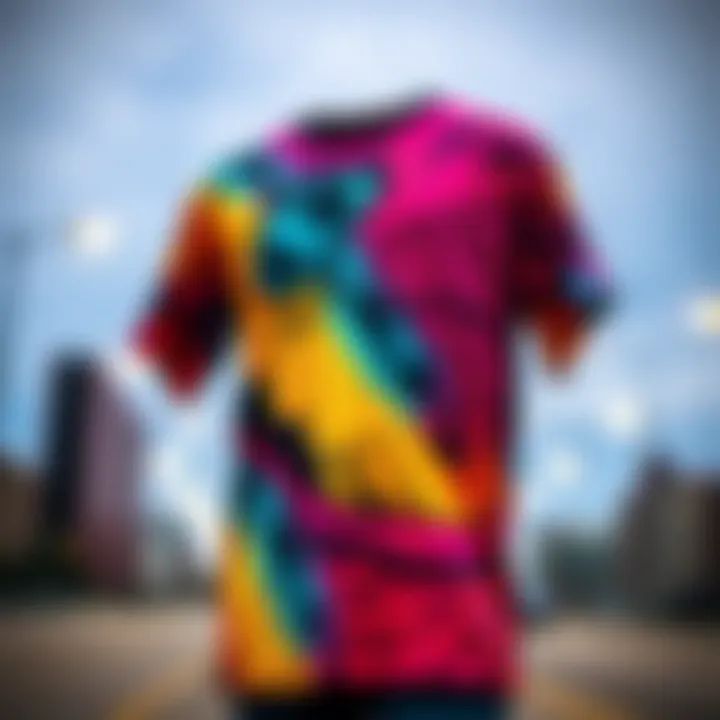
Getting your drawing onto a shirt isn’t just about choosing a cool print technique or the right fabric; it all starts with preparing your artwork. This step lays the foundation for everything that follows. When your artwork is properly set up, it guarantees that you'll produce high-quality prints that truly reflect your artistic vision. The importance of preparing your artwork can’t be understated—without a solid base, you may end up with designs that miss the mark or, worse, don’t do justice to your skills.
Digitalizing Your Drawing
So, you’ve got this fantastic drawing that you want to transfer to fabric. The first step involves digitalizing your drawing. Why is this so critical? In today’s age, computers and printers have become the backbone of custom apparel. Scanning your drawing with a scanner or using a high-resolution camera is the way to do it. Don’t skimp on quality here; a clean, high-res image is like gold to a printer. It captures every stroke and color nuance, ensuring your design translates well onto the fabric.
Once you have that digital copy, familiarize yourself with common file formats like .PNG or .JPEG. Each has its own perks—.PNG is great for sharp images with transparent backgrounds, while .JPEG can compress your file without sacrificing much quality. Remember to keep your files organized. Create a folder specifically for this project, so everything is easy to access when you’re ready to get printing.
Editing and Format Selection
Editing is next on the agenda. After digitalizing, take a hard look at your artwork. You want to ensure that it’s well-optimized for printing. Use software like Adobe Illustrator or free options like GIMP to fine-tune your image. Look out for details like:
- Color Correction: Sometimes colors look different on screen than in print. Make adjustments accordingly.
- Separation of Layers: If your design has multiple colors, make sure they are on separate layers. This will help the printer calculate the prints more effectively.
- Background Removal: A cluttered background can distract from your design. Keep it simple.
Choosing the right format is also crucial. The conventional format for printing is typically a vector file, such as .AI or .EPS; these formats ensure your design stays sharp regardless of size changes.
Once everything is tidied up, make your final edits. Most printers will have requirements, so check before finalizing. This ensures your design doesn’t just go through smoothly in the process but also translates well into your unique shirt, ready to express your artistic vision effectively.
"Preparation is the key to success." Each step in preparing your artwork solidifies that vision, paving the way for a design that’s not just seen, but admired in the world of personalized apparel.
Finding the Right Printing Service
Choosing the right printing service can make or break your experience in turning your drawing into wearable art. The quality of the final product hinges significantly on the expertise of the printers, the equipment they use, and how well they can interpret your artistic vision. Furthermore, personalization is all about making a statement, and teaming up with the right service can enhance that message, ensuring your art not only looks good but resonates with those who see it.
Consider this: if your illustration ends up looking lackluster on fabric, the effort you put into the design may feel wasted. Thus, meticulous research and evaluation become paramount.
Researching Local and Online Print Shops
The advent of technology has broadened the scope of options available to creators wanting to print on apparel. Digital platforms have made it easier than ever to find printing services without restricting yourself to just local shops. Both local and online print shops come with their own advantages and potential issues.
- Local Print Shops
- Online Print Shops
- Personal Touch: Speaking face-to-face allows direct involvement in the process and helps in communicating the vision accurately.
- Ease of Quality Assurance: You can often request samples immediately.
- Community Support: You might keep it local and support small businesses.
- Wider Selection: You can choose from multiple options that might not be available locally.
- Convenience: Placing an order online can often be done in a few simple clicks.
- Potential for Better Pricing: Shopping around may yield lower costs, but watch out for hidden fees.
Moreover, consider reviews, trial orders, or even reaching out to previous customers of the print shops. This diligence can prevent pitfalls that can sometimes arise when you place a large order based on looks alone.
Evaluating Quality and Customer Reviews
With your eye on potential print services, evaluation becomes the next crucial step. Reviews are the lifeblood of customer experience today. A couple of good or bad reviews can give you insight that casual browsing simply cannot.
What to look for:
- Product Quality: Are previous customers satisfied with the print quality? This is perhaps the most important factor.
- Customer Service: How responsive is the service? Good customer service can mean the difference between a smooth process and a chaotic one.
- Turnaround Time: Were customers content with how quickly they received their orders?
A wise choice is to compile feedback from different platforms. Check social media, specialized forums like Reddit and trustworthy review sites. This research will not only lead you to a reliable service but also help you avoid any potential headaches down the line.
"The best way to predict the future is to create it." - Peter Drucker
In summary, the journey to finding the right printing service involves patience and thorough investigation. Take your time to delve into both local and online options and scrutinize their offerings and reviews. This diligence ultimately ensures that your artistic vision translates beautifully onto a shirt, making it a true reflection of your creativity.
Placing Your Order
Once you’ve done your homework and prepared your artwork, it's time to place your order for transferring your artistic vision onto a shirt. This step, while often overlooked, is crucial to ensure that every detail aligns with your expectations and the quality shines through.
Communicating Your Vision Clearly
When it comes to sharing your design with a printing service, clear communication is key. Think of this as a bridge between your creative ideas and the technical execution of those ideas. Providing a detailed description of your vision helps avoid misunderstandings that could lead to an end product that doesn’t quite hit the mark.
Here are some practical tips for articulating your vision:
- Provide Reference Images: Alongside your artwork, include pictures of similar styles or designs that you have in mind. This helps the printer visualize your expectations.
- Specify Sizes and Locations: Be specific about where you want your design placed and any sizing preferences. Is it a small logo on the chest, or a large graphic spread across the back? Details matter here.
- Discuss Color Choices: Be clear about colors and shades used in your drawing. Mentioning Pantone colors or providing a color swatch can be helpful if your design includes multiple tones.
- Use Layman's Terms: Not everyone understands the technical jargon of the art world. Avoid terms like “gradient mesh” or “halftone” unless you are sure they are familiar. Instead, describe what you want with simpler language.
By carefully conveying your ideas and preferences, you pave the way for a smoother production process and ensure your artistic vision translates onto the shirt effectively. It's a bit like explaining a complicated skate trick—detail, patience, and clear instruction can make all the difference.
Understanding Costs and Timeframes
Before you finalize any order, it’s important to grasp the costs involved and the expected timeline for delivery. Understanding these factors can help you better prepare financially and logistically.
Costs can vary widely based on several factors:
- Printing Technique: Different methods (like DTG, heat press, or screen printing) come with their own price tags. For instance, DTG printing is popular for intricate designs but can be pricier than screen printing if you are doing bulk orders.
- Quantity: The more shirts you order, the lower the price per unit might be. Ask about bulk discounts if you’re looking to make multiple shirts.
- Shirt Material and Brand: The quality and type of fabric also affect costs. A better quality cotton shirt will typically cost more than a basic blend.
- Artwork Fees: Some printers may charge a one-time fee for preparing your artwork, especially if it involves significant editing or adjustments.
Timeframes can fluctuate significantly as well. Here’s what to keep in mind:
- Production Time: Most printing services have a standard turnaround time that ranges from a few days to several weeks, depending on their workload and your order size. Be sure to ask about this upfront.
- Shipping Time: Factor in the shipping duration, especially if you’re working against a hard deadline like an event or a skate competition.
- Proofing Processes: Many companies offer a proofing stage where they’ll send you a preview of your shirt before finalizing the print. This stage is essential, but it can also extend your timeline if you need revisions.
By taking these considerations to heart, you’ll be well-prepared to navigate the ordering process, ensuring you not only get the best value for your artistic investment but also receive your shirts in a timely manner. After all, what’s the point of a killer design if it doesn’t arrive when you need it?
"The communication during the order process is just as vital as the creation itself. Your art deserves to be showcased right!"
Utilizing clear communication combined with understanding costs and timelines ensures a positive transfer of your artistic vision onto fabric. Embarking on customized apparel should be an exciting venture, and preparation will help you minimize hiccups.
Caring for Your Custom Shirt
Caring for your custom shirt is not just a matter of maintaining its appearance; it’s about preserving the essence of your artistic vision. When you invest time and effort in transferring your drawing onto fabric, you want it to last and make a statement. Keeping this shirt in tip-top shape requires understanding the materials used, adopting proper washing habits, and being mindful of how you wear it.
The journey doesn’t end once your vibrant design is printed. Effective care preserves the color vibrancy and the personal touch that made that shirt special. It’s crucial to note that the longevity of your custom piece can dictate how well the message or the artistry you’ve created is communicated—people will undoubtedly notice a faded or damaged design.
Washing and Maintenance Tips
To ensure your shirt stands the test of time, washing it properly is key. Here are some guidelines to help you maintain your design:
- Read Care Labels: Always check the care instruction on the label. Some fabrics have unique requirements.
- Cold Water Wash: This is generally a safe bet to protect colors. Hot water can cause fading, especially in custom prints.
- Inside Out: Turn your shirt inside out before washing. This simple step protects the printed side from friction with other clothing.
- Gentle Cycle: Use the gentle cycle on your washing machine. It reduces the agitation that could lead to damage.
- Avoid Fabric Softeners: While they might smell nice, fabric softeners can break down the printing. Stick with a mild detergent.
Applying these practices can make a world of difference in how long your shirt looks fresh and new.
Ensuring Longevity of Your Design
Keeping your design intact goes beyond good washing habits—there are several practices you should implement to fortify its lifespan:
- Drying Techniques: Air drying your shirt is safer than using a dryer. If you must use a machine, opt for a low-heat setting.
- Storage Matters: Store your shirt in a dark, dry place. Light exposure, even from a closet, can fade the colors over time.
- Avoid Ironing Directly: If you need to iron your shirt, place a cloth between the shirt and the iron to protect the print from heat.
- Limit Wear: For highly intricate designs, consider saving your shirt for special occasions rather than everyday wear. This helps avoid wear and tear in high-friction areas.
By considering these factors, you not only maintain the aesthetic of your shirt but also honor the artwork that defines it.
"Custom apparel isn’t just clothing; it’s a canvas for expression. Caring for that canvas preserves the story you’re telling through art."
Keeping your custom shirt in pristine condition involves more than just cleaning—it’s about respecting your creativity. When cared for properly, your shirt will serve not just as a fashion statement but as a lasting reminder of your artistic journey.
Impact of Personalized Apparel in the Skateboarding Community
The surge in customized clothing has made waves across various communities, but nowhere is this trend more palpable than in the skateboarding scene. Personalized apparel offers a unique way for skaters to showcase their individuality and artistic inclinations. Each shirt becomes a canvas where converters of art and lifestyle can foster their creative genius. These garments are not just clothing; they are extensions of identity, statements made visible.
This tailored self-expression shapes not only how skaters perceive themselves but also how they connect with others in their community. The very act of wearing a custom shirt carries a sprinkle of pride. It signals to the outside world that the wearer has a distinct voice and vision. This importance cannot be overstated within the skateboarding culture, a realm where daring designs, creative expression, and personal storytelling converge.
Expressing Individuality Through Design
Personalized shirts serve as the ultimate medium to convey a skater's unique personality. Whether it’s through vivid colors, quirky illustrations, or motivational phrases, the design speaks volumes about who they are. For many, skateboarding is more than just a sport; it’s a lifestyle rooted in self-expression and individuality. A well-designed shirt can reflect a skater’s inner self—whether bold and audacious or chill and laid-back.
The artistic choices in these designs resonate deeply within skate culture, giving rise to a vibrant sub-market where every design choice has significance. Here, the artistry often reveals influences ranging from punk rock to graffiti street art. For instance, a skater might don a shirt displaying a hand-drawn logo that signifies their allegiance to their local skate park or a tribute to their favorite skater. This interconnectedness is essential for identity formation and community belonging.
Fostering Connection Among Skaters
The shared experience of customizing and wearing artistically driven shirts deepens the bonds formed between skaters. When two skaters recognize a common aesthetic in apparel, an instant connection can ignite. This phenomenon can lead to conversations, collaborations, and friendships that might not have blossomed otherwise.
Personalized shirts encapsulate stories and spark dialogue among skaters. They often become conversation starters, helping skaters to relate over their shared creative endeavors. Attending a local skate jam or competition while sporting a unique design can bring about camaraderie that resonates throughout the event.
Ultimately, personalized apparel is more than a mere garment; it's a vessel for expressing one’s identity and making connections within the skateboarding community. The importance of these custom designs goes beyond the individual wearer, shaping culture and fostering a sense of belonging among skaters everywhere.
"Personalized clothing empowers skaters to wear their stories and create connections that resonate deeply within the culture."
As skaters embrace this form of expression, the community continues to thrive, showcasing a dynamic blend of art, individuality, and connection.
Finale
As we wrap up this guide on getting your drawing onto a shirt, it’s easy to see that transferring your artistic vision is not just a practical task, but a profoundly empowering journey. The endeavor of taking what’s created on paper and fashioning it into apparel allows individuals to showcase their unique artistic expressions. When you wear your art, you aren’t just draping fabric over your body; you are telling a story, proclaiming an identity, and, in many cases, connecting with like-minded individuals. Custom shirts signify more than personal style; they embody passion and authenticity, contributing to a vibrant subculture like skateboarding.
Final Thoughts on Sharing Your Art
In the end, sharing your art is an act of courage. It’s an invitation for others to engage with your vision. The process of transferring a drawing to a shirt culminates in a tangible result that reaches beyond mere aesthetics. Whether you are an artist in your own right or a supporter of artistic endeavors, the output—your shirt—serves as a vehicle for conversation, a bridge between creative minds and a testament to personal journeys.
The practical considerations covered throughout this article, such as choosing materials, mastering printing techniques, and ensuring longevity of your designs, are all fundamental to successfully stepping into the world of custom apparel. Understanding this process can greatly enhance the visibility of your artistic voice and fuel connections within communities, especially for skaters.
To sum it all up, take the plunge, get your art out there, and rock those personalized shirts with pride. Each piece can become a focal point in a thriving community—your artwork might just inspire someone to find their own voice too.
"Art is not freedom from discipline, but disciplined freedom." – John F. Kennedy