Exploring the Death Wish Skateboard Brand's Impact


Intro
The world of skateboarding is more than just a sport; it's a vibrant culture woven from creativity, community, and innovation. Among the many brands claiming a stake in this realm, Death Wish Skateboards stands out as a significant player. A brand built on a foundation of authenticity and a no-nonsense attitude towards skateboarding, it has captured the hearts and boards of many skaters. The essence of Death Wish goes beyond simple aesthetics; it’s about expressing a rebellious spirit and an unwavering passion for the skate lifestyle.
By taking a closer look at Death Wish Skateboards, we delve into an exploration of not just its product offerings, but the intricate tapestry of its history, design philosophy, and cultural significance within the skate community. What makes Death Wish so distinctive? How has its branding strategy evolved over time? This article seeks to unpack these questions, enriching our understanding of how this brand continues to inspire and evolve within the competitive landscape of skateboarding.
For enthusiasts and newcomers alike, embracing the Death Wish phenomenon offers not only a way to ride but also a deeper connection to the skateboarding culture as a whole. Through examining its history and influence, we aim to provide a comprehensive guide that shines a light on the factors that have made Death Wish a cornerstone in the skateboarding scene.
Foreword to Death Wish Skateboards
The emergence of Death Wish Skateboards marks a pivotal moment in the world of skateboarding. As a brand, it encapsulates the very essence of street culture while also serving as a testament to the sport's growth and evolution. This section delves into the significance of Death Wish in establishing skateboarding as a mainstream activity, highlighting its influence not only on products but also on the community that surrounds it.
Historical Context
Understanding Death Wish requires a look back at the narrative of skateboarding itself. Born out of surf culture in California during the late 1950s, skateboarding evolved through the 1960s and 70s as a rebellious outlet for youth. As the sport matured, it shifted from mere leisure into a lifestyle, intertwining with music, art, and fashion. The 1980s and 90s ushered in a renaissance with the rise of street skating. This era saw skaters pushing the boundaries of creativity, and it is within this fertile ground that Death Wish Skateboards sprouted.
For context, skateboarding wasn't just about gliding on a board. It became a means of self-expression, and brands that emerged during this time understood the cultural undercurrents that would shape their identities. Death Wish emerged as a response to a market saturated with homogeneity. It stood out not just because of its unique graphics but also its commitment to authenticity and the rawness of skate culture.
"Skateboarding is not just a sport, it's a culture running through the veins of the streets."
— Unknown Skateboarder
Founders and Early Years
The story of Death Wish Skateboards is interwoven with the vision and determination of its founders. Initially started by a group of passionate skaters, who sought to capture the spirit of skateboarding in its rawest form, Death Wish began making waves as they experimented with materials and designs that reflected their unique styles. The brand's foundation lies in the belief that skateboards should be an extension of the skater's personality.
Baker Skateboards and its founder, the renowned professional skater Andrew Reynolds, played a vital role in the brand's early days. They tapped into a market that craved something different. Death Wish’s branding, intertwined with edgy graphics and powerful messages, struck a chord with aspiring skaters. Not long after its inception, the brand gained traction due to its collaborations with prominent skaters and its authentic representation of street culture.
The initial years were characterized by a gritty aesthetic, one that set the tone for what Death Wish would become. The brand's graphics often reflected themes of rebellion, individuality, and passion—elements that resonate deeply within the skating community. Unlike many competitors, Death Wish devoted its energies to engaging with skateboarders at ground level, establishing a fan base that appreciated not only the product quality but the ethos behind the brand.
As Death Wish Skateboards carved out its niche, it quickly transitioned from an emerging brand to a force to be reckoned with in the skateboarding world. This evolution continues to shape the landscape of skateboarding culture today.
The Evolution of Death Wish
The evolution of Death Wish Skateboards is not just a mere recount of how a brand shaped its products but rather a testimony of how a particular ethos can transform a community. This brand has not only kept pace with skateboard trends but has also oftentimes led the charge, pushing boundaries and redefining what it means to skate. Understanding this evolution is crucial as it sheds light on the brand's significance in the skateboarding world.
Product Line Development
The progression of Death Wish’s product line reflects a deep understanding of both skater needs and market demands. Initially, the brand focused on traditional shapes and durability. Over the years, as the sport evolved, so too did the offerings from Death Wish. Their boards now feature innovative materials, unique dimensions, and custom graphics that resonate deeply with the culture. The launch of specific series like the Baker Boys and special editions have reinforced the brand's commitment to skateboarding's roots while allowing for a modern twist. These developments do not just enhance the performance; they also cater to a broader spectrum of skaters, from novices just finding their feet to seasoned pros looking for that perfect deck.
A few notable aspects include:
- Diversified Range: From street to transition skateboards, each category is crafted to meet distinct skating styles.
- Collaborative Special Editions: Limited runs that showcase different artists or skaters, often with striking visuals.
- Technological Upgrades: Utilization of new materials like composite woods that are lighter yet provide the sturdiness needed for tricks.
Influence of Skate Culture
Integration into Street Skating
One of the most defining features of Death Wish is its integration within the street skating scene. Street skating emphasizes creativity, urban exploration, and often, guerrilla-style innovation. Death Wish boards have become synonymous with this lifestyle, not just because of the products but due to the culture it champions. The brand’s alignment with street skating fosters a sense of belonging among skaters who identify with the rebellious, creative aspects that this form of skating represents.
An integral characteristic of their street presence is the emphasis on graphic design tailored to the gritty aesthetic of urban life. Aesthetic choices resonate with the individuality of skaters who want their boards to serve as an extension of their personality. Hence, these boards appeal through both functionality and style. Their toughness and resilience allow skaters to perform demanding tricks, enhancing both performance and confidence while skating.
Some advantages of focusing on street skating include:
- Everyday Use: Encourages broader adoption among skaters who prefer navigating urban landscapes.
- Community Building: Fosters connection among skaters through shared experiences in urban settings.
Collaboration with Notable Skaters
Collaboration with renowned skaters has played a pivotal role in shaping the Death Wish brand. By aligning with figures who have large followings and significant influence, Death Wish has tapped into existing communities and has attracted new enthusiasts. Such partnerships not only amplify brand visibility but also drive innovation in board design, as professional skaters often have direct input on performance and styling.
What sets these collaborations apart is their authenticity; they are not just marketing gimmicks. The skaters involved are genuinely passionate about the brand and often reflect that loyalty in their dedicated fan bases. These collaborations can result in unique product features, such as specific shapes or graphics that highlight the skater’s signature moves or personal aesthetic.
While collaboration can often lead to heightened expectations from fans, contributing to potential backlash if offerings don't meet the high standards set by the skater's previous work, the overall impact is typically positive. Death Wish continues to see success with these partnerships due to the genuine rapport these skaters have with their audience, making for truly authentic collaborations.
Noteworthy aspects of these collaborations include:
- Impact on Sales: Limited edition boards co-designed with famous skaters can see upticks in demand, turning into collector's items.
- Cultural Significance: Each collaboration tells a story, embedding deeper meanings into the products.
"Death Wish represents more than just a skateboard; it's a testament to the culture and community that thrives in the streets. Each board tells a story, and each trick redefines possibilities."
This journey through the evolution of Death Wish encapsulates not just the brand's growth but underscores how it has woven itself into the very fabric of skateboarding culture, shaping an entire generation and inspiring countless others along the way.
Design Aesthetics and Branding
The impact of design aesthetics and branding cannot be overstated in the world of skateboarding. For Death Wish Skateboards, these elements serve as more than just eye candy; they embody the very essence of what the brand represents. A skateboard is not merely a means of transportation; it's a canvas for self-expression and a badge of identity. Hence, how the brand visually communicates its values and connects with its audience plays a pivotal role in its overall success.
Skateboarding is an activity that thrives on individuality. As much as the tricks and techniques define a skater, so do the visuals on their board. Death Wish recognizes this intricately woven tapestry of skating culture and channels it into a cohesive design philosophy. The graphics on their decks are bold and often evoke strong emotions, utilizing striking colors and intricate illustrations that resonate with the skate community. This aesthetic is not just about being flashy; it's about creating a dialogue with the skater and invoking a sense of belonging.
Moreover, the branding elements reinforce the identity of Death Wish Skateboards. Logos, typography, and even the product names are carefully crafted to reflect a rebellious yet artistic ethos. When skaters see that emblem, it signifies more than just a product; it stands for a lifestyle characterized by freedom and creativity. This understanding is crucial for marketers aiming to elevate brand perception.
Graphic Elements
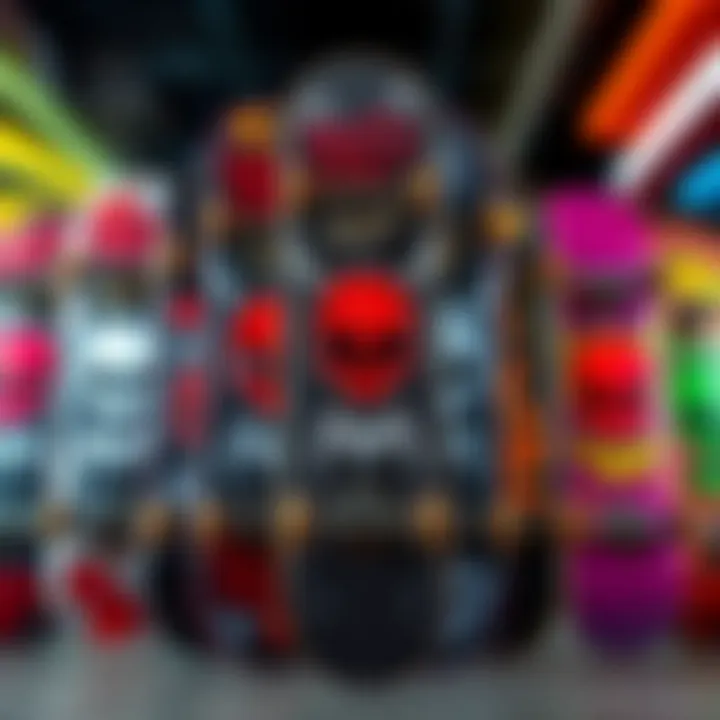
The graphic elements used in Death Wish Skateboards' designs have much to say. They often incorporate edgy, cartoon-style art alongside dark humor and macabre themes, which reflect the brand's name and attitude. For instance, decks might showcase skulls, hypnotic patterns, or over-the-top caricatures. These graphics serve to attract an audience that appreciates the underlying gritty aesthetic that skate culture often embraces.
- Visual Storytelling: Each graphic can be seen as a narrative thread, weaving a cohesive tale that captures the spirit of skating.
- Emotion and Connection: Many designs aim to evoke strong emotions, whether it's nostalgia, excitement, or even rebellion. By engaging deeply with the viewer, they encourage a strong connection to the brand.
- Trendy Themes: The brand keeps an eye on contemporary culture, sometimes infusing elements from music, art, or even societal issues into their visuals. This not only keeps them relevant but also aligns them with the thoughts and experiences of their target demographic.
Brand Message and Community Engagement
In the bustling skateboarding scene, a brand's message goes beyond the products they offer. For Death Wish, community engagement plays a significant role in shaping their brand message. This is where the lines between branding and community blur, leading to a symbiotic relationship that benefits both skaters and the brand itself.
Death Wish Skateboards actively participates in skate events, local sponsorships, and partnerships with amateur and professional skaters. Through these initiatives, they nurture a sense of community, reinforcing the idea that they are not just a corporation, but a part of the expansive skate culture landscape. Skaters are not just consumers; they are ambassadors of the brand, fostering a connection that is deeply personal.
- Support of Local Events: By sponsoring skate competitions and local gatherings, Death Wish gives back to the very community from which it stems.
- Interactive Campaigns: Engaging the audience through social media challenges or contests fosters an interactive space where the skaters can showcase their creativity.
- Emphasizing Inclusivity: The brand frequently highlights diversity in skating, which helps cultivate an environment where all can feel embraced regardless of their skill level or background.
Ultimately, the blend of striking graphics, a resonant brand message, and meaningful community interaction creates a multilayered identity for Death Wish Skateboards. This narrative doesn’t just elevate their product line; it solidifies their position as a key player in the ever-evolving world of skateboarding.
Technical Aspects of Death Wish Boards
The world of skateboarding is as much about style and culture as it is about the machinery that fuels it. Within this landscape, the technical aspects of Death Wish boards stand out prominently, playing a crucial role in both the performance and durability that skaters depend on. The integration of innovative materials and forward-thinking designs contributes not just to rideability but also to the identity that Death Wish has crafted in the skate community. This section will delve into what makes these boards distinct, focusing on materials and performance traits that have caught the attention of skaters and enthusiasts alike.
Materials Used
When it comes to skateboarding, the materials that go into the board can make or break the riding experience. Death Wish boards are typically crafted from a blend of high-quality maple wood, often appreciated for its resilience and flex. This choice of material is not arbitrary; maple provides a perfect balance of strength and lightweight characteristics that skaters value.
Moreover, certain models incorporate bamboo layers or special resins that enhance flex and pop, catering to different skating styles. These boards utilize epoxy laminates that reinforce the structure, ensuring the board maintains its shape even after intense usage. There’s a sort of alchemy in how these materials work together, creating a board that feels alive under the skater's feet.
"A good board should feel like an extension of yourself, adapting to your movements and style."
The attention to material specifics not only enhances performance but also contributes to the longevity of the boards. Many riders discover that investing in a Death Wish board pays off not just in terms of tricks but also in the durability of their gear.
Performance and Durability
Performance is where the rubber meets the road—literally in the case of skateboarding. Riders often talk about the pop, which indicates how well a board can spring off the ground. Death Wish’s unique construction methods provide superior pop, enabling skaters to execute tricks that would be difficult on lesser quality boards.
But performance is just part of the equation; durability ensures that every rider gets the value for their investment. Death Wish boards are renowned for their resilience. They undergo rigorous testing for strength before they hit the market. Riders can often go months, even years, without serious wear or breakage, which is a must-have feature for any serious skater.
When considering board durability, one aspect often highlighted is the kicktail design—a curved edge at the back of the board that allows for sharp turns and tricks. Death Wish integrates a robust kicktail that withstands heavy impacts, combining design and engineering beautifully. This allows skaters to confidently execute flips, grinds, and all manner of street tricks without fearing for the integrity of their board.
Death Wish in Popular Media
The influence of Death Wish skateboards in popular media is profound, intertwining the brand with the very fabric of skate culture. This section digs into how its representation not only contributes to the brand's image but also shapes the perception of skateboarding as a whole. The portrayal of Death Wish in diverse media forms helps to underscore its relevance, allowing enthusiasts and newcomers alike to understand the brand's ethos and its connection to the skateboarding community.
Presence in Films and Documentaries
Death Wish has made significant appearances in both feature films and documentaries, each time reinforcing the brand’s strong connection to the skateboarding lifestyle. Films like The Death Wish Video have showcased iconic skaters and memorable tricks that embody the raw spirit of skateboarding.
Highlighting a gritty, real-world approach to skate culture, these films tell stories that resonate deeply with the audience. They offer a glimpse into the lives of pro skaters, their experiences, and the moments that have defined skateboarding over the years. Documentaries such as The Art of Flight and Lords of Dogtown have also featured Death Wish athletes, further embedding the brand in the narrative of skateboarding history.
"Death Wish doesn’t just make skateboards; it narrates stories through its skaters and projects the culture worldwide, transcending mere entertainment."
This presence in movies helps to fuse the brand's image with an authentic, rebellious spirit while also attracting potential new fans who might be inspired to pick up a board after seeing their favorite skaters in action. Such representations highlight not only the technical prowess required to skate but also the community-oriented values that define the culture.
Impact on Social Media
Social media has provided a powerful platform for Death Wish to engage with skaters and fans directly. The brand leverages platforms like Instagram and TikTok to showcase not just products but also the lifestyle that surrounds skateboarding. Engaging visual content, quick trick tutorials, and behind-the-scenes footage of skater life are shared, exposing audiences to the personality of the brand.
Considerable engagement metrics include:
- Viral content showcasing skater tricks to draw in viewers and create a buzz.
- Collaborative posts with well-known skaters that build credibility and attract their fanbases.
- Interactive campaigns urging followers to share their own skateboarding experiences, fostering a sense of community.
The integration of social media into their brand strategy creates a direct line of communication between Death Wish and its audience. Fans feel part of the brand's journey, contributing to a robust community that thrives on creativity and shared passion.
To summarize:
- The combination of film and social media helps to cement Death Wish's place in the cultural zeitgeist, linking the brand with excitement and an enthusiastic fanbase.
- Continuous visibility through various media outlets ensures that Death Wish remains relevant, engaging both veteran skaters and newcomers alike.
The Skateboard Community's Perception
The perception of the skateboard community towards Death Wish is pivotal in understanding the brand’s impact and legacy. Skaters often evaluate not just the products themselves but also the ethos and community vibe that surrounds a brand. For many, riding a Death Wish board goes beyond simple preference; it encapsulates an identity within a subculture that craves authenticity and creativity. This section delves into how reviews, feedback, and community events shape this perception, cementing Death Wish's place in the hearts of skaters.
Customer Reviews and Feedback
Customer reviews serve as a barometer for the success and acceptance of any product, and when it comes to Death Wish skateboards, the feedback is often a mixed bag that tells a comprehensive story. Many skaters rave about the graphics and durability. A recurring sentiment is the boards' ability to withstand the thrashing that comes with street skating. Users often comment:
"These boards just take a lickin' and keep on tickin'. You can really trust it on a rough terrain."
However, some users mention challenges with specific models or features, expressing a desire for more variety in product lines. This honesty helps potential buyers navigate their choices, highlighting the importance of community feedback in shaping Death Wish's offerings. Plus, the brand encourages this dialogue by responding to comments and engaging with their audience on social media, further solidifying their connection with skaters.
Community Events and Sponsorships
Community events and sponsorships greatly influence how a brand is perceived. Death Wish has been a big name in promoting key events that resonate with skating culture. The brand's involvement spans from skate competitions to local initiatives designed to uplift the skateboarding community.
Skate Contests


Skate contests sponsored by Death Wish are not just mere competitions; they are celebrations of creativity and skill. These events often attract skaters from all over, showcasing diverse styles and tricks. The key characteristic here is that they aren’t strictly about winning; they often foster camaraderie among participants. This communal atmosphere encourages interaction and fun, making the daunting aspect of competition a more inclusive experience.
In addition, such contests provide skaters a platform to showcase their abilities on a larger stage, potentially leading to sponsorships or recognition. A unique feature of these contests is their focus on trick creativity over technical perfection, which aligns with Death Wish’s brand message of pushing boundaries. Despite their popularity, some see a downside; the pressure to perform can detract from the fun aspect, but many argue it’s a healthy challenge that fosters growth.
Local Initiatives
Local initiatives exhibit Death Wish’s commitment to giving back to communities that support skateboarding. The brand often backs programs aimed at skate park construction or youth mentorship workshops. This characteristic of community involvement positively impacts the brand’s image, as it demonstrates the brand’s recognition of its responsibility to nurture future skaters.
Unique features of these local initiatives include collaborations with non-profits that aim to make skating accessible to underrepresented communities. Advantages of engaging in these activities enhance the perception of Death Wish as a community-focused brand, whereas disadvantages, such as funding limitations, sometimes hinder the scope of initiatives.
Through events and feedback, the skateboard community’s perception of Death Wish continues to evolve – engraved through the shared experiences of skaters who embody the spirit of skating. This interplay of brand involvement and community reaction lays the groundwork for understanding Death Wish’s lasting influence in the skateboarding world.
Future Directions for Death Wish
As the skateboarding landscape continues to evolve, so too must the brands that inhabit it. Death Wish Skateboards has characterized itself through its distinctive edge, one that resonates well with skaters seeking a blend of authenticity and innovation. Exploring future directions for Death Wish sheds light on key elements that will not only influence the brand's trajectory but also mold the broader narrative of skateboarding culture. The importance of this section lies in its potential to illuminate how Death Wish might adapt to the changing needs of skaters while still preserving its roots in street skating.
Innovations in Product Design
Innovations in product design at Death Wish are pivotal to maintain relevance in a competitive environment. As skaters' preferences evolve, so do their demands for board technology and performance.
- Materials and Durability: Advances in materials science have equipped brands with the ability to produce lighter, yet incredibly durable skateboards. Moving forward, Death Wish can capitalize on this by integrating advanced composites and incorporating eco-friendly materials that provide the same level of performance while appealing to the environmentally conscious skater.
- Ergonomic Shapes: The next frontier involves a deeper understanding of human ergonomics. Skateboards that adapt to the natural stance and movement patterns of riders could potentially enhance performance, facilitate tricks, and reduce injury risks. Such innovations might result in unique shapes and concave designs that can enhance the whole skating experience.
- Customizable Features: Embracing modular designs that allow skaters to modify their boards according to personal style and riding preferences could elevate brand loyalty. If skaters can easily adjust their setup or switch decks tailored for specific tricks, it not only personalizes their experience but also makes the product line more versatile.
In summary, innovations are essential for Death Wish to stay at the cutting edge of skateboarding technology while ensuring their products resonate deeply with the community.
Sustainability in Skateboarding
The trend toward sustainability is undeniable, and it presents a vital opportunity for Death Wish to position itself as a leader in environmentally responsible skateboarding practices. As awareness grows about environmental issues, skaters are increasingly evaluating the brands they support based on their sustainable practices. Here’s how Death Wish can integrate sustainability into its core values:
- Eco-Friendly Materials: Utilizing sustainable woods, like bamboo or reclaimed wood, for deck production can significantly reduce environmental impact. Such materials not only perform well but also appeal to a growing demographic of conscious consumers.
- Recycling Programs: Introducing programs that invite skaters to return old boards for recycling could further enhance Death Wish's commitment to sustainability. This initiative can encourage a circular economy within the skateboarding community, allowing old decks to be repurposed into new products or materials, reducing overall waste.
- Community Projects: Engaging with local initiatives that promote green spaces and skate parks can align the brand with a mission of environmental stewardship. Collaborating with non-profits focused on urban renewal can not only help improve community relations but also give skaters a sense of pride knowing their boards come from a brand that cares.
"Sustainability isn't just a trend; it's a responsibility that brands must embrace to remain relevant and respected in the eyes of their consumers."
By focusing on innovations in product design and sustainability in skateboarding, Death Wish can craft a narrative that is both progressive and rooted in the values that skaters hold dear.
Culmination
The conclusion of our exploration into the Death Wish skateboard phenomenon wraps up the threads of its rich tapestry steeped in history and innovation. This segment illuminates how the brand not only crafted its identity within the skate community but also cemented its legacy. When considering the elements discussed, it becomes evident that Death Wish stands as a beacon for authenticity and creativity, much like a compass guiding skaters through their journey.
Legacy of Death Wish Skateboards
Death Wish skateboards have left an indelible mark on the landscape of skateboarding culture. Founded by a collective that values individuality and bold expression, they consistently challenge the norm. The graphics on their decks often reflect the raw energy of street skating, resonating with the ethos of rebellion and freedom present in the skating world.
This legacy is more than just artistic expression; it’s a beacon of inspiration for both veteran skaters and newcomers alike. As old as the sport itself, Death Wish skaters embody perseverance, creating an unspoken bond among enthusiasts. The brand not only offers tools for skaters but also signifies a lifestyle choice rooted in grit and authenticity.
Keep in mind that the substantial investments in community sponsorships and outreach programs showcase their commitment to nurturing the next wave of talent. They don’t just sell skateboards; they build platforms for future generations to showcase their skills.
"Skateboarding isn’t merely a pastime; it’s a way of life that demands respect and dedication. Death Wish embodies this philosophy, ensuring the legacy continues with each trick laid down on the pavement."
Impact on Future Generations of Skaters
As we look to the future, Death Wish's influence will undoubtedly ripple through the next cohorts of skaters. The attention they place on innovation in design speaks volumes about their dedication to performance and durability. By consistently pushing the envelope, they inspire young athletes to rethink and redefine what skateboarding can be.
Moreover, their collaborations with notable skaters not only showcase the talents of these individuals but also provide mentorship opportunities. Young skaters are given the chance to learn under the wings of seasoned pros, allowing the transfer of knowledge and skills. This creates an environment that values creativity and experimental approaches while ensuring that the rich history of skateboarding is not just remembered but lived.
For many, owning a Death Wish board is akin to carrying a piece of history. There’s a sense of pride and connectivity to the broader skate community, which will continue to grow and evolve as new talents emerge.
In summation, the legacy of Death Wish skateboards combined with their focus on future developments ensures that they are not only a part of skate history but will also serve as a significant influence for generations to come. For a deeper dive into the skateboarding scene, check out resources like Wikipedia or Britannica.
This synthesis not only ensures Death Wish's relevance in skateboarding today but also firmly places its role as a catalyst for the future. No doubt, Death Wish will continue to propel the passion and creativity that inspire skaters worldwide.